Baby Teeth: Why Fix It If the Tooth Is Going to Fall Out Anyway?
April 22, 2026 9:00 amWhen a cavity shows up in a baby tooth, the question that follows is often pretty straightforward—if that tooth is temporary, does it really need to be treated?
It’s an understandable way to look at it. After all, baby teeth don’t last forever. However, what tends to get overlooked is everything those teeth are responsible for while they’re still in place. They’re not just waiting to fall out—they’re actively supporting how your child eats, speaks, and develops.
When you break it down, the reasons for treating baby teeth become much easier to see.
Baby Teeth Hold Space for Adult Teeth
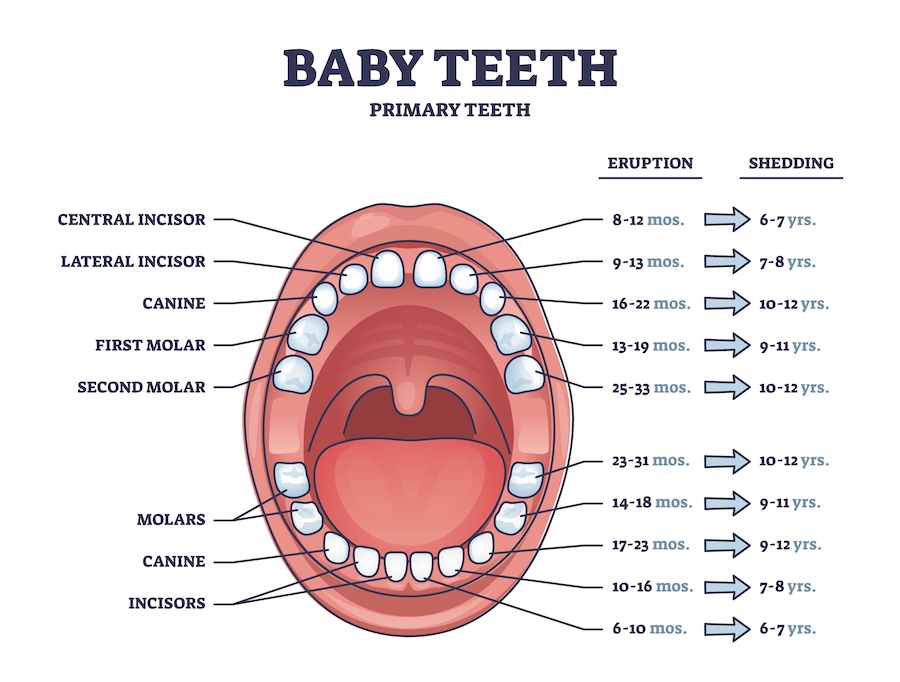
One of the most important roles of baby teeth is guiding permanent teeth into place.
Each baby tooth acts as a natural placeholder, keeping space open for the adult tooth that will come in later. When a baby tooth is lost too early—whether from decay or extraction—the surrounding teeth can begin to shift into that space. This doesn’t always happen immediately, which is why it can go unnoticed at first.
Over time, though, that shifting can make it harder for the permanent tooth to erupt in the correct position. This can lead to crowding or alignment issues that may require orthodontic treatment down the road. By treating and maintaining baby teeth when possible, you’re helping preserve that natural spacing and making things easier for the next stage of development.
Healthy Teeth Support Comfortable Eating and Nutrition
When a tooth has a cavity, it doesn’t always lead to complaints right away—but it can still change how a child eats.
You might notice they start avoiding certain foods, especially anything crunchy or cold. Sometimes they’ll chew on one side more than the other, or take smaller bites without really explaining why. Other times, they just seem less interested in foods they used to enjoy.
Those small changes can build over time. If eating becomes uncomfortable, even in a mild way, it can affect both what they eat and how much they’re willing to eat. Treating the tooth helps bring things back to normal, so meals feel comfortable again—even if you’re still negotiating over vegetables.
Teeth Play a Role in Speech Development
Beyond eating, baby teeth also help shape how children speak.
Many sounds depend on the way the tongue interacts with the teeth. When a tooth is damaged or missing too early, it can make certain sounds harder to form clearly. This isn’t always obvious right away, but it can become more noticeable over time, especially as speech patterns develop.
Keeping baby teeth healthy helps maintain that natural structure, making it easier for children to form sounds the way they’re meant to.
Treating Cavities Helps Prevent Pain and Infection
Even if a cavity isn’t causing pain right now, that doesn’t mean it will stay that way.
Cavities tend to grow over time. What starts as a small area of decay can gradually move deeper into the tooth. As that happens, the tooth can become sensitive, and eventually, pain can develop. In more advanced cases, the infection can reach the center of the tooth and spread beyond it.
At that point, treatment becomes more involved than it would have been earlier. Addressing the cavity while it’s still small helps avoid that progression and keeps things more manageable for your child.
Oral Health Affects Confidence and Self-Esteem
There’s also a social side to consider, especially as kids get older.
Visible decay, dark spots on teeth, or missing teeth can affect how children feel about their smile. Even if they don’t say it out loud, it can influence their confidence in small ways—whether that’s smiling in photos or talking comfortably with others.
By treating and maintaining baby teeth, you’re helping support not just their physical health, but also how they feel about themselves.
Treatment Is Often Simpler Than It Sounds
When parents hear that a baby tooth needs to be fixed, it’s natural to wonder what that will involve.
In many cases, treatment is straightforward. A small filling can restore the tooth and stop the cavity from progressing. If the decay is more advanced, other options may be discussed, but the goal is always to keep the process as comfortable and manageable as possible.
At Happy Campers Pediatric Dentistry, Dr. Jung Lee Nouri (Dr. Lee) takes the time to explain each step and create an environment where kids feel at ease. That makes a big difference in how children experience dental care moving forward.
Looking at the Bigger Picture
When you put it all together, treating a baby tooth isn’t just about that one tooth.
It’s about maintaining space for adult teeth, supporting eating and speech, preventing discomfort, and helping your child feel confident as they grow. Each of these pieces connects, and they all play a role in long-term oral health.
Even though baby teeth are temporary, the impact they have while they’re there is anything but.
Pediatric Dental Care in Albuquerque, NM at Happy Campers Pediatric Dentistry
At Happy Campers Pediatric Dentistry in Albuquerque, NM, Dr. Jung Lee Nouri (Dr. Lee) works closely with families to walk through these decisions in a way that feels clear and supportive. Every child’s needs are a little different, and the goal is always to find the right approach for their comfort and long-term health.
If your child has a cavity and you’re weighing your options, it’s worth taking the time to talk it through. You can call the office or schedule a checkup to get a clearer picture of what’s going on and what makes the most sense moving forward.
Contact UsCategorised in: Dental Tips, Pediatric Dentistry