What to Do if Your Child Swallows a Tooth
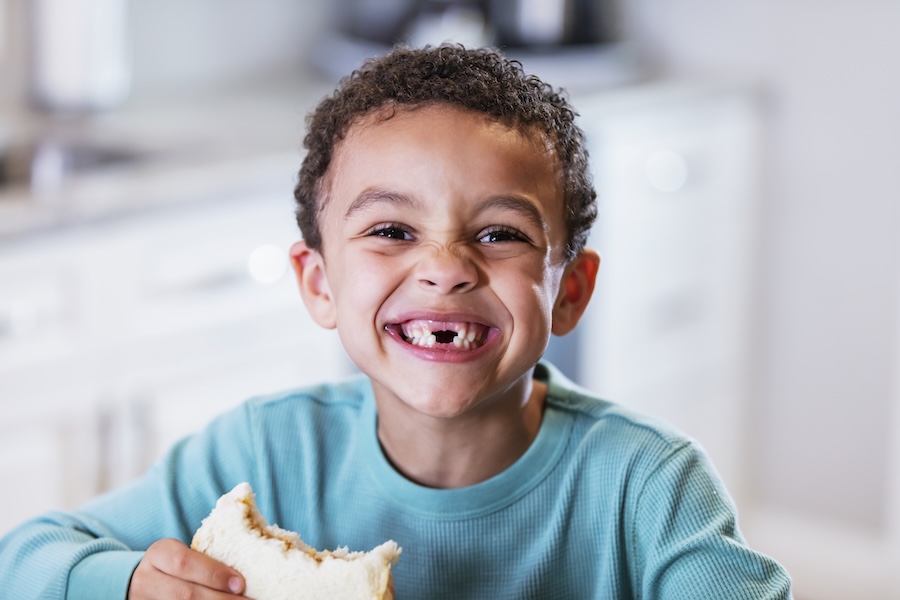
July 10, 2026 9:00 amA loose baby tooth can disappear at a very ordinary moment. Your child may be eating cereal, brushing before bed, wiggling the tooth with their tongue, or laughing at the dinner table when suddenly the tooth is gone. Sometimes it lands in a hand or on a napkin. Other times, your child pauses and says, “I think I swallowed it.”
For a loose baby tooth that was already ready to come out, swallowing it is usually not a serious problem. Baby teeth are small and generally pass through the digestive system without causing trouble. In many cases, the biggest issue is that there is no tooth left for the tooth fairy.
That said, it is still worth taking a quick look at your child. Are they breathing normally? Are they talking normally? Do they seem comfortable? If the answer is yes, the tooth most likely went down into the stomach and will pass on its own.
At Happy Campers Pediatric Dentistry in Albuquerque, NM, Dr. Jung Lee Nouri, also known as Dr. Lee, can help parents sort through questions about loose baby teeth, swallowed teeth, early tooth loss, and dental injuries. Most swallowed baby teeth do not need urgent treatment, but a quick call can help if you are unsure what happened.
First, Check How Your Child Is Acting
Start with your child, not the missing tooth. If they are breathing normally, talking, swallowing, and acting like themselves, that is a good sign. A swallowed baby tooth usually moves through the stomach and intestines like other small swallowed objects.
You do not need to make your child cough it up, dig around in their mouth, or try to get them to vomit. Those things are more likely to upset your child than help. Instead, offer a sip of water if they want it, check the gum area, and keep the moment simple.
It is normal for kids to feel surprised or worried. Some children are more upset about losing the tooth fairy part than about swallowing the tooth. Others may ask if the tooth will hurt their stomach. A simple answer is usually enough: “It should pass through your body, and we’ll keep an eye on how you feel.”
If your child is coughing hard, wheezing, gagging, having chest discomfort, or struggling to breathe, that is different. Those symptoms are uncommon, but they need medical attention right away because they may mean the tooth went toward the airway instead of the stomach.
Do Not Try to Make Your Child Throw Up
If your child seems fine after swallowing a baby tooth, do not try to make them throw up. A baby tooth is small, and it usually passes on its own. Trying to force vomiting can irritate your child’s throat, increase distress, or create a choking risk.
You also do not need to search through stool for the tooth unless a medical provider specifically tells you to. Most parents never see the tooth again, and that is usually fine.
After the tooth is swallowed, have your child rinse or drink water if they want to. Then look at the spot where the tooth came out. A little bleeding is common, especially if the tooth came out while eating or wiggling.
If there is bleeding, have your child bite gently on clean gauze or a clean damp cloth for a few minutes. Once it slows down, they can go back to normal activities unless they feel uncomfortable.
A Swallowed Baby Tooth Usually Passes Naturally
A baby tooth is small and fairly smooth, so it usually passes through the digestive system without a problem. This may happen within a day or a few days, depending on your child’s digestion.
Your child can usually eat and drink normally if they feel well. Softer foods may be more comfortable if the gum area is tender, but the swallowed tooth itself usually does not require a special diet.
You can watch for anything unusual, such as belly pain, repeated vomiting, fever, blood in the stool, trouble swallowing, or a child who seems very uncomfortable. Those symptoms are not expected after swallowing a loose baby tooth, so they should be checked by a medical provider.
For most kids, though, the day goes back to normal quickly. The gap may feel strange, the gum may be a little tender, and the tooth fairy may need a note instead of the real tooth.
Check Whether the Tooth Was Loose or Knocked Out
The story behind the tooth matters more than the fact that it was swallowed. If the tooth was already loose and came out while your child was eating, brushing, or wiggling it, that usually fits the normal baby tooth process.
However, if the tooth came out during a fall, sports injury, playground accident, or hit to the mouth, treat it as a dental injury. Even if the tooth was swallowed, the gums, lips, nearby teeth, or jaw may need to be checked.
It is also worth calling if the tooth was not loose before it came out. A baby tooth that comes out too early may need monitoring, especially if your child is younger or the permanent tooth is not close to coming in.
If your child fell, the baby tooth was not loose, and the tooth is missing from the mouth but cannot be found, call the pediatric dentist. In some cases, the tooth may not have been swallowed or knocked out. It may have been pushed up into the gums, which is called intrusion. An exam and X-ray can help show whether the tooth is actually gone or has been driven into the gum tissue.
If you are not sure whether the missing tooth was a baby tooth or a permanent tooth, call Happy Campers Pediatric Dentistry. Dr. Lee can help sort that out based on your child’s age, which tooth is missing, whether there was an injury, and whether the tooth had been loose.
What if It Was a Permanent Tooth?
Most swallowed teeth in children are baby teeth, but it is important to know the difference. A swallowed permanent tooth is a different situation than a swallowed baby tooth.
If a permanent tooth is knocked out, it is usually a dental emergency. When the tooth can be found, timing and handling are important because a knocked-out permanent tooth may sometimes be reimplanted. However, if the tooth was swallowed, it cannot be placed back into the socket.
Even then, your child still needs to be evaluated. The socket, nearby teeth, gums, and jaw may need attention. An X-ray may also be needed to check the area and confirm what happened.
Call a dentist right away if you think the swallowed tooth may have been permanent, especially if it came out because of an injury. If your child has trouble breathing, severe pain, heavy bleeding, or signs of a head or jaw injury, seek urgent medical care.
Look at the Gum Area
Once your child is calm, take a quick look at the gum area. If the tooth was already loose, you may see a small opening where the tooth came out. The area may look red or slightly tender, and a little bleeding is common.
Have your child bite gently on clean gauze or a clean damp cloth if the area is bleeding. Usually, a few minutes of gentle pressure is enough. Avoid having your child poke the spot with fingers, toys, or their tongue over and over, since that can make it bleed again.
The gum area may be sore for the rest of the day. Cooler soft foods can feel better, especially if your child does not want to chew near the gap. Yogurt, applesauce, scrambled eggs, pasta, or a smoothie can be easier than crunchy snacks.
Call Happy Campers Pediatric Dentistry if bleeding does not slow down, if the gums look torn, if another tooth looks chipped or loose, or if your child has pain that seems stronger than expected for a lost baby tooth.
What About the Tooth Fairy?
For some kids, swallowing the tooth is less upsetting than losing the chance to put it under the pillow. The good news is that the tooth fairy has probably handled stranger paperwork.
Your child can write a note explaining what happened. If they are too young to write, they can draw a picture of the tooth or dictate a note for you. Some families make a tiny paper tooth, use a small envelope, or leave a parent-written “tooth report.”
This can turn the moment into a story instead of a disappointment. It also gives your child something to do if they feel worried about where the tooth went.
If your child asks whether swallowing the tooth is dangerous, keep the answer simple. You can say that baby teeth are small and usually pass through the body, but you will watch how they feel.
When to Call Happy Campers Pediatric Dentistry
You do not always need a dental appointment after a child swallows a loose baby tooth. However, it is worth calling if you are unsure what happened or if anything about the situation feels off.
Call Happy Campers Pediatric Dentistry if the tooth came out after an injury, if the tooth was not loose, if your child is very young, or if you are not sure whether it was a baby tooth or permanent tooth.
You should also call if the gum area keeps bleeding, another tooth looks chipped or loose, the bite seems different, or your child has ongoing pain. These details may mean the swallowed tooth is not the only thing that needs attention.
When you call, mention your child’s age, which tooth is missing, whether it was loose, whether there was a fall or injury, and how your child is feeling now. That information helps the team decide whether your child should be seen.
When to Get Medical Help
Most swallowed baby teeth do not require medical care. Still, there are a few symptoms that should be checked right away. Get medical help if your child is having trouble breathing, wheezing, choking, coughing hard and not settling down, or complaining of chest discomfort. These symptoms may mean the tooth did not go down the usual path.
You should also seek medical advice if your child has repeated vomiting, severe stomach pain, blood in the stool, fever, or seems unusually weak or uncomfortable after swallowing the tooth.
These situations are not the typical outcome. They are simply the signs that move the situation out of the “swallowed loose baby tooth” category and into something that needs medical attention.
What if the Baby Tooth Came Out Too Early?
If the tooth was already very loose, it was probably ready to come out. However, if the tooth was not loose or your child is younger than expected for losing that tooth, the timing may need a closer look.
Baby teeth help hold space for permanent teeth. When a baby tooth is lost much earlier than normal, nearby teeth can drift into the open space. Depending on your child’s age and which tooth was lost, Dr. Lee may recommend monitoring the area or discussing a space maintainer.
A space maintainer is a small appliance that helps keep room open until the permanent tooth is ready to come in. Not every early lost baby tooth needs one, but some do.
Even if the swallowed tooth passes without any problem, the timing of the tooth loss can still be worth checking. Dr. Lee can look at your child’s development, the missing tooth area, and the permanent tooth pattern to decide whether anything else is needed.
Swallowed Tooth Help at Happy Campers Pediatric Dentistry in Albuquerque, NM
If your child swallows a loose baby tooth, it is usually not serious. Most baby teeth pass naturally, and the gum area often heals with simple care at home.
Still, call Happy Campers Pediatric Dentistry if the tooth came out after an injury, if it was not loose, if you are unsure whether it was a baby tooth or permanent tooth, or if your child has ongoing pain, bleeding, coughing, or trouble swallowing.
At Happy Campers Pediatric Dentistry in Albuquerque, NM, Dr. Jung Lee Nouri, also known as Dr. Lee, can check the missing tooth area, answer questions, and help you decide whether your child needs a visit. Call Happy Campers Pediatric Dentistry if your child swallowed a tooth and you want guidance on what to do next.
Contact UsCategorised in: Dental Tips, Primary Teeth