
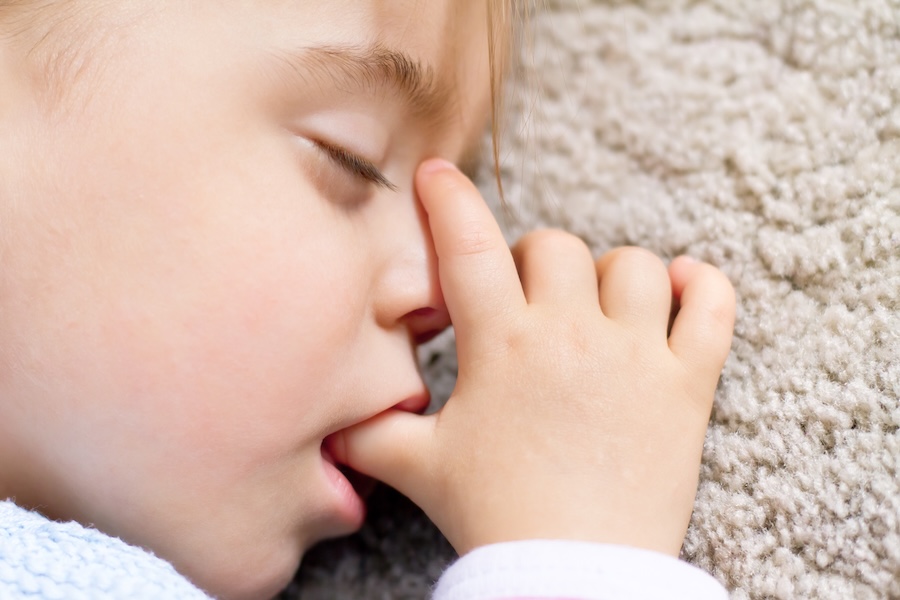
When Should My Child Stop Thumb Sucking?
October 11, 2026 9:00 amThumb sucking can be part of how a young child settles down, falls asleep, or gets through an unfamiliar situation. As your child grows, you may notice it mostly at bedtime or whenever the favorite blanket comes out. Eventually, parents begin wondering when to help them stop thumb sucking and whether the habit has affected their teeth.
At Happy Campers Pediatric Dentistry in Albuquerque, New Mexico, Dr. Jung Lee—Dr. Lee to our families—checks how your child’s teeth are developing. We encourage families to work toward stopping thumb sucking and similar comfort-sucking habits by about age three. If the habit continues, we look at the bite and help you choose a way to work on it that your child can take part in.
How Thumb Sucking Can Change the Bite
How often your child sucks, how long it lasts, and how strongly they suck all affect the pressure on their teeth. Briefly resting a thumb in the mouth differs from actively sucking through much of the night. Bedtime can be the hardest part to judge, since you may only see the few minutes before they fall asleep.
When sucking continues for long stretches, that pressure can tip the front teeth or narrow the upper arch. As the bite changes, the front teeth may leave a gap when your child closes. The back teeth may also start meeting unevenly, which we check along with the front-tooth changes.
During visits, we check whether that pressure has moved the front teeth or narrowed the upper arch. The bedtime and daytime patterns you notice help us understand what may be contributing. For example, a child who has stopped during the day may still need help with the habit that returns as soon as the blanket comes out.
When to Start Helping Your Child Stop
Working toward stopping around age three gives us time to check the habit before permanent front teeth arrive. Continued sucking can keep pushing on the teeth and narrowing the upper arch as your child grows. Even if you haven’t noticed a change in the smile, we can look at the bite and help you get started.
For some children, changes at home and steady encouragement are enough to help the habit fade. Others need more support, particularly if we can already see the bite changing. We consider your child’s readiness, the pressure on the teeth, and the progress you’ve made before recommending an appliance.
If your child is older, we can start with where they are now. At the appointment, we check the teeth and talk through the times they still reach for the thumb. Afterward, we can watch whether the bite improves as the habit stops or needs orthodontic care.
Notice When Your Child Reaches for the Thumb
You may hardly see the thumb during the day, then watch it go straight back in during the bedtime story. Other children reach for it in the car or while watching a show. Start with when it happens most, so we can help you choose a change that fits that part of the day.
When your child is old enough to help, explain that you’re working together to give their teeth a break from the thumb. We can show them where the pressure goes and explain it in words they understand. Keep comparisons with siblings out of it, since the habit may be tied to how this child settles down or handles stress.
For daytime sucking, a soft toy to hold or an activity that uses both hands may help. At bedtime, keep the story, blanket, or other comfort your child relies on while gradually working on the thumb habit. Having another way to settle can help them practice leaving the thumb out without changing everything about bedtime at once.
Praise Progress Without Turning It Into a Battle
Start with a stretch your child can manage, such as watching a short show with the thumb out. Praise that effort, and consider a simple chart or small reward if they want to participate. A completely thumb-free night may be a later step, once they’ve had practice while awake.
Because the habit helps your child feel settled, repeated scolding can make the effort to stop more tense. Instead, agree on a gentle signal they understand and praise the times they respond to it. If the thumb goes back in without them noticing, we can help you choose a reminder that fits their age and willingness to participate.
The thumb may return during a cold, an overnight trip, or a rough bedtime. Pick up the plan again and keep praising the parts your child can manage. If progress stalls or the bite starts changing, we can talk through what has worked at home and try a different next step.
When a Dental Appliance May Help
Sometimes the habit continues despite a child’s willingness to stop and consistent support at home. We can examine the bite and discuss whether a reminder method or dental appliance should be considered. The choice depends on development and the specific changes in the mouth.
If we recommend an appliance, we explain it to your child and show you how to keep it clean. Its job is to help interrupt the habit while you continue the encouragement at home. We also arrange follow-up to check the bite and involve an orthodontist if your child needs that care.
Before trying a thumb covering, bitter-tasting product, or other reminder, check with us about how to use it for your child. We consider age, skin irritation, and whether the child understands the reminder. These methods work best as part of a shared plan, with the child’s comfort and cooperation in mind.
Bite Changes Need Follow-Up After Stopping
Some early changes may improve once the pressure from sucking is removed. However, the degree of improvement varies with the child’s age and the type of bite change. As more teeth arrive, we keep checking which bite changes improve and which need further care.
An open bite, crossbite, or other persistent change may need orthodontic assessment. Children should have an orthodontic evaluation by age seven, or earlier when a problem is recognized. Dental checkups can help identify concerns while baby and permanent teeth are changing.
If your child has difficulty biting food, a bite that shifts to one side, or front teeth that no longer meet, arrange a visit. We can assess those findings along with the sucking habit. Dr. Lee can check whether the bite is improving after the habit stops or needs orthodontic follow-up.
Habit Guidance for Albuquerque Families
If the thumb still comes out at bedtime or during the day, bring that up at your child’s next visit. Dr. Lee can check the bite and help you choose a first step that fits those habits. Schedule with our Happy Campers Pediatric Dentistry team in Albuquerque, New Mexico, and let’s help your child build on the progress they’re making!
Contact Us
Categorised in: Pediatric Dentistry